Qigong, Neigong, Meditation, Taoist Yoga: The Complete Beginner’s Path To Internal Energy Training
In 2022, 16.9% of US adults practiced yoga in the past year, yet only a small fraction explore deeper internal systems like Qigong, Neigong, and Taoist Yoga that focus directly on cultivating Chi.
Key Takeaways
| Question | Answer |
|---|---|
| What is the best way to start Qigong and Taoist Yoga? | We usually recommend beginning with a structured introductory program like the Qigong 101 fundamentals course, then adding simple standing and breathing practices. |
| How is Neigong different from Qigong? | Qigong combines breath, movement, and intention, while Neigong focuses more on internal alignment, structure, and subtle energy, which we introduce progressively through our Qigong & energy course collection. |
| Can I learn these practices from home? | Yes, our courses are provided as downloadable PDFs with supporting media, such as the intermediate Qigong 202 training that you can follow at your own pace. |
| Is there a path from beginner to advanced internal power? | We guide students from fundamentals into intermediate modules like Himm Kong Power Exercises, then into advanced internal power material such as Inner Power Empty Force. |
| Where can I ask questions about Qigong and Neigong practice? | You can reach us directly through our contact page if you need help choosing a course or clarifying training details. |
| Is there a place to explore Taoist Yoga-related material? | Yes, our yoga category organizes content related to Taoist Yoga principles and complementary practices. |
1. What Qigong, Neigong, Meditation, And Taoist Yoga Have In Common
All of these systems train how we breathe, move, and use attention to influence Chi, the body’s internal energy. We see them as one family of mind body disciplines instead of isolated techniques.
Qigong typically uses flowing movements, Neigong focuses on structure and inner alignment, meditation refines the mind, and Taoist Yoga integrates stretching with Chi work. Together they create a complete internal training path that can support health, martial arts, and spiritual development.
2. Qigong Basics: Breath, Movement, And Relaxed Power
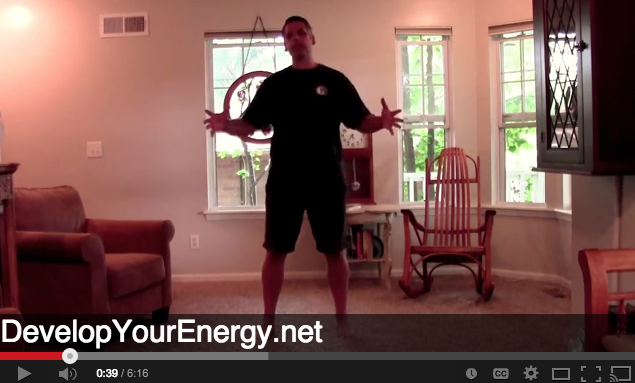
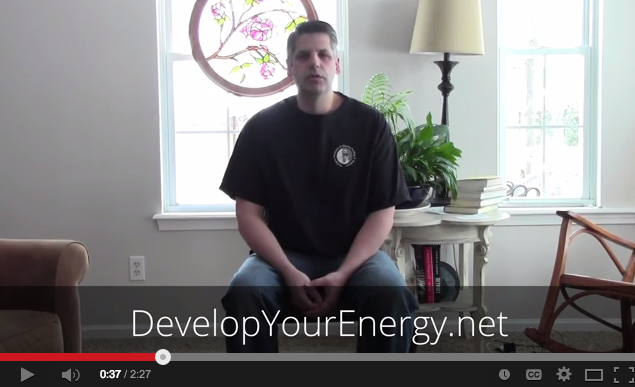
Qigong literally means “energy work”, and we teach it as a practical method to coordinate breath, posture, and intent. Movements are usually slow and repetitive, which makes them accessible for most fitness levels.
Our Qigong 101 overview page explains how we structure practice so that beginners learn to relax the body while gently activating whole body connection. Over time, this combination helps many students feel warmth, tingling, or subtle currents that indicate Chi circulation.
3. Neigong: Internal Structure And Energy Cultivation
Neigong, often translated as “inner work”, takes the same principles of Qigong deeper into the body’s structure and the mind’s subtle states. Instead of focusing on visible movement, Neigong refines how joints, fascia, and breath align around the center of gravity.
In our curriculum, we introduce Neigong gradually inside foundational courses, then build into specialized material like Himm Kong and Empty Force. This approach lets you develop sensitivity and stability before tackling stronger internal power methods.
A visual guide to five key benefits of Qigong, Neigong, Meditation, and Taoist Yoga.
4. Taoist Yoga And Tai Chi Ruler Qigong: Bridging Stretching And Chi Work
Taoist Yoga combines stretching, joint opening, and breathing with clear focus on energy pathways. One of the practical tools in this family is the Tai Chi Ruler, a wooden dowel used to coordinate circular arm movements with lower body alignment.
Our Tai Chi Ruler Qigong material presents this as a Taoist Yoga and Qigong hybrid, where you learn to feel Chi gather between the palms and radiate through the body. Many students notice improved relaxation, better balance, and a stronger sense of internal connection.
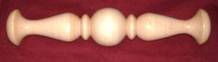

The Tai Chi Ruler Advanced course builds on this by teaching more refined breathing patterns and deeper Chi circulation patterns. We often see students use the ruler work as a bridge between standard stretching and more internal Neigong training.
Because Taoist Yoga encourages comfortable, sustainable postures, it fits well for people who want flexibility and energy practice together without extreme poses.
5. Meditation Inside Qigong And Taoist Yoga
Meditation is not separate from Qigong and Taoist Yoga, it is built into how attention is used during each exercise. You learn to keep the mind relaxed, lightly focused on breath or specific body areas, rather than forcing concentration.
In 2022, 57.4% of adults who practiced yoga in the United States also practiced meditation as part of yoga, which mirrors how we integrate quiet sitting and standing meditation within our Qigong programs.
Our Sifu Dan Ferrera Qigong Class DVD demonstrates how standing postures and simple movements can be used as moving meditation. This format helps people who struggle with seated practice access meditative states through the body first.
Over time, students usually combine seated stillness, standing Neigong, and moving Qigong into one continuous internal practice.
6. Our Structured Path: From Qigong 101 To Advanced Neigong
We design our course sequence so that you can move from foundational Qigong into more demanding Neigong and Taoist Yoga at a sensible pace. Everything starts with learning how to relax, breathe, and feel basic Chi flow.
The Qigong 101 digital course lays out this base in a simple, step by step format using written material and supporting media. Because it is the only course we offer with a refund option, we encourage new students to treat it as their trial run for internal energy training.
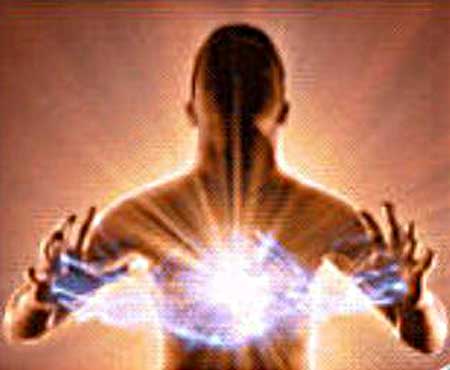
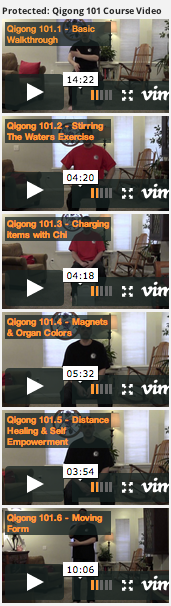
Once you have basic skill, Qigong 202 provides an intermediate level training for $20.00. This module deepens breath work, introduces stronger stances, and teaches you how to connect multiple movements into longer flows.
For students focused on martial applications or stronger internal power, we then recommend exploring specialized intermediate and advanced offerings in our catalog.
7. Intermediate Power Work: Himm Kong And Related Practices
Intermediate internal power work requires a stable base in relaxation and structure, which is why we place it after Qigong 101 and similar material. Himm Kong, also known as Ling Kong or “distant force” training in some traditions, develops stronger whole body connection and intent.
Our Himm Kong Power Exercises module presents these methods as a Qigong practice set rather than a demonstration trick. The focus stays on how to coordinate fascia, tendons, and breath, so any power that arises is grounded and controllable.
We encourage students to approach this material patiently, keeping health and joint comfort as the main priority. When done properly, intermediate power training can support martial arts, but it also refines posture for daily life tasks.
Because all of our courses are digital downloads, you can review key exercises repeatedly without needing to memorize everything from a single live seminar.
8. Advanced Neigong: Inner Power And Empty Force Training
Advanced Neigong addresses inner power in a very specific way, focusing on how to project intent through the body while remaining relaxed. The Empty Force tradition is a well known, but often misunderstood, example of this approach.
Our Inner Power Empty Force course is written for students who already have experience with Qigong and some intermediate Neigong. We emphasize safety, partner communication, and personal experimentation so that training stays grounded rather than speculative.
For many, this level of work is more about personal exploration of human potential than performance. We encourage you to stay skeptical, curious, and methodical, testing each idea through practice rather than accepting claims at face value.
Students who prefer a softer approach can still benefit from the alignment and breathing principles in this material without focusing on projection aspects.
9. How Our Digital Qigong And Taoist Yoga Courses Work
All of our Qigong, Neigong, and Taoist Yoga materials are delivered as PDF downloads, and some include audio or video files. This format lets you revisit key sections, print reference pages, and build a personal training library.
Our Qigong & Energy Courses overview explains our general refund policy, which applies to digital courses except for Qigong 101 where we offer a specific refund option. We also include a clear disclaimer that we do not make medical claims, and that our material is for educational and training purposes only.
Most students combine one or two core courses with free articles and occasional video content to round out their understanding. Since you can study at any time, it is easier to fit consistent practice into a busy schedule.
If you ever have trouble accessing files or need help deciding which program fits your goals, you can message us for support.
10. Building Your Personal Practice Routine
A practical routine for Qigong, Neigong, meditation, and Taoist Yoga does not need to be long to be effective. Many of our students see benefits with 15 to 30 minutes a day, broken into short blocks if needed.
Here is a sample way to combine the methods we have described using our materials:
- 5 minutes of simple breathing and standing alignment from Qigong 101.
- 10 minutes of Tai Chi Ruler work as Taoist Yoga style stretching and Chi circulation.
- 5 to 10 minutes of quiet sitting or standing meditation focusing on breath or lower abdomen.
As your comfort grows, you can add intermediate Qigong 202 flows or occasional Himm Kong drills on separate days. The goal is to build a sustainable habit, not to push intensity.
Conclusion
Qigong, Neigong, meditation, and Taoist Yoga form a connected system for working with breath, body, and Chi. When you approach them step by step, they can support relaxation, focus, and internal strength in a way that fits ordinary daily life.
We built our course library so that you can move from foundational Qigong 101 training into intermediate and advanced material at your own pace, guided by clear written and visual instruction. If you are ready to begin, start small, stay consistent, and let your experience guide which branch of this internal arts family you explore next.


Comments
Post a Comment